
Roofing Contractor Red Flags: What DFW Homeowners Should Watch For

A consumer-protection guide to spotting storm-chasing roofing contractors in Dallas-Fort Worth, plus a checklist to verify before you hire anyone.
Roofing Contractor Red Flags: What DFW Homeowners Should Watch For
Every time a big hailstorm rolls through Dallas-Fort Worth, the same thing happens a day or two later: a wave of out-of-town roofing crews show up, door-knocking entire neighborhoods. Some are perfectly legitimate businesses working storm season the way plenty of industries follow demand. But this pattern is also exactly how a lot of homeowners get taken advantage of.
You don't need to be suspicious of every contractor who knocks on your door. You do need to know what to check before you sign anything.
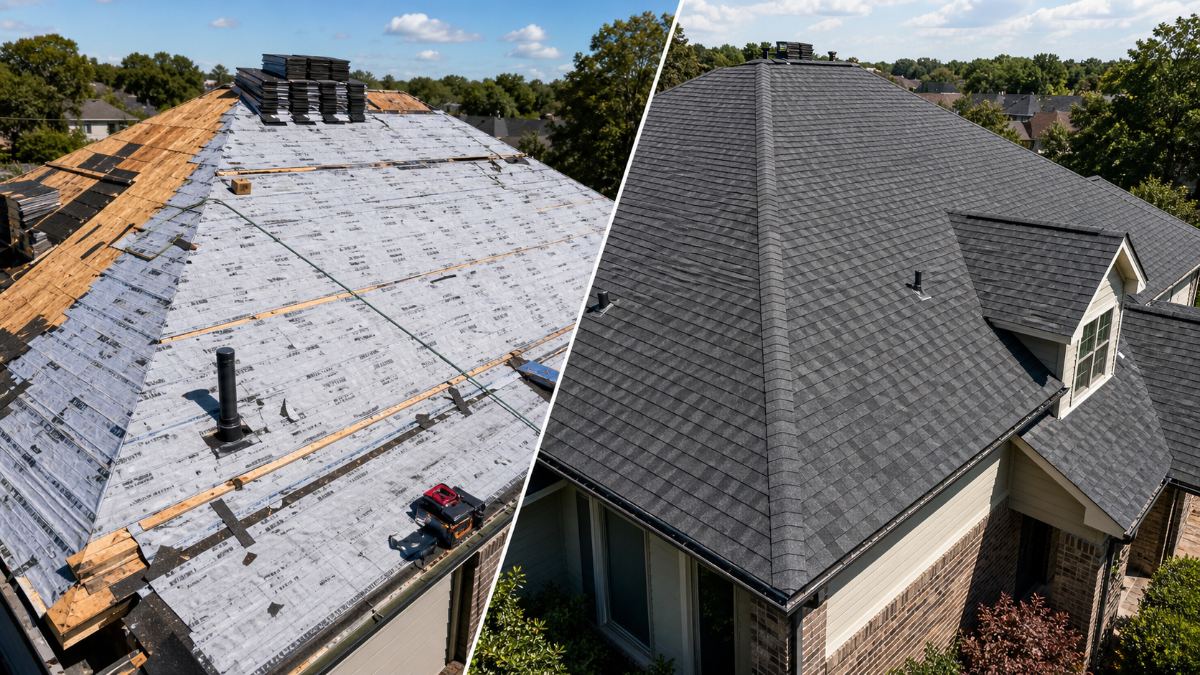
Red flags to watch for
Door-knocking the same day as the storm. A crew that's already in your neighborhood within hours of a storm, offering a "free inspection," is often working the storm circuit — moving from town to town wherever damage just happened. That's not automatically a scam, but it means you likely can't check local references, because there may not be any.
Pressure to sign on the spot. "We need your signature today to lock in the price" or "the adjuster's only in the area this week" are pressure tactics, not facts about how insurance claims work. A legitimate contractor can wait a day for you to think it over.
Asking for a large deposit upfront. Some deposit for materials is normal in the industry. A large cash deposit before any work has started, especially from someone you just met, is a red flag — particularly if they're pushing for it before your insurance claim has even been approved.
No verifiable local address or reviews. If you search the company name and find no local address, no local reviews, or a business that registered days before the storm, that's worth pausing on. A company that's been doing roofs in your area for years will have a footprint you can check.
Vague or verbal-only scope of work. "We'll just match whatever the insurance pays out" sounds convenient, but it means you don't actually know what work you're agreeing to. A real scope of work should be written down, line by line, before you sign.
Subcontracting without telling you. It's common for roofing companies to use subcontracted crews for the physical labor — that's not automatically a problem. The problem is when a company doesn't disclose it, and you have no idea who's actually going to be on your roof or who's accountable if something goes wrong.
"We'll handle everything with your insurance." Be careful with any contractor who wants to communicate directly with your insurance company on your behalf, sign paperwork in your name, or discourage you from talking to your adjuster yourself. You should always know what's being submitted in your name.

Material and workmanship red flags
Beyond the sales pitch, watch for signals about the actual work quality:
- No mention of manufacturer warranty requirements. Many shingle manufacturers require specific installation methods and ventilation for their warranty to apply — a contractor who can't speak to this may not be installing to that standard.
- Unusually low bids compared to other quotes. A bid dramatically below others in the same scope often means shortcuts somewhere: cheaper underlayment, skipped flashing replacement, or crews paid so little that turnover and quality suffer.
- No mention of tear-off vs. overlay. Installing new shingles over old ones (an overlay) is cheaper but can trap moisture and shorten roof life. A contractor should tell you clearly which approach they're proposing and why.
- Reluctance to specify brand and product line of materials. "Good quality shingles" isn't a specification. You should be told the actual manufacturer and product so you can look up its own warranty terms.
A short checklist before you hire anyone
Before you sign a contract with any roofing contractor — storm-chaser or otherwise — verify:
- Insurance and licensing. Ask for proof of liability insurance and workers' comp coverage. A legitimate company will have this ready to show you.
- Local presence. Can you find a real address, a business history, and reviews that predate this storm?
- Written, detailed scope of work. Not "repair storm damage" — an actual line-item breakdown of materials and labor.
- References you can call. Ideally from jobs done in your area, not just a name and number handed to you.
- Clear payment terms. What's due when, and does any of it depend on insurance approval first?
- Who's actually doing the work. Ask directly whether the crew is employees or subcontractors, and who's responsible if something goes wrong.
- Specific materials named. Brand, product line, tear-off vs. overlay — not vague descriptions.
- No pressure to sign today. A fair contractor gives you time to think it over and compare.
None of this means you should assume the worst about every contractor working after a storm. Plenty of reputable companies do storm response work, including us. The point of this checklist isn't to make hiring anyone harder — it's to make sure you know what you're agreeing to before you agree to it.
What to do if you already signed with a storm-chaser
If you've already signed and something feels wrong — pressure tactics after the fact, work that doesn't match what was verbally promised, or a crew that's gone unresponsive — you're not necessarily stuck. Many contracts include a right of rescission window (commonly three business days for door-to-door sales in Texas), and it's worth reviewing your specific contract terms and, if needed, getting a second opinion inspection before any work starts, to have an independent record of your roof's actual condition going in.
If you want a documented, no-pressure inspection first
Built By Ward is based in the Dallas-Fort Worth area, and the founder personally inspects every job — no subcontracted sales reps, no same-day contracts. You'll get a photo report and a written, line-itemized estimate before you decide anything.
Get in touch: email roofing@builtbyward.com.
Want a documented inspection or a straight scope of work?
Email roofing@builtbyward.comPublished 2026-07-03 · Built By Ward Contracting, Dallas-Fort Worth, TX